
Why Efflorescence Is On Your Concrete
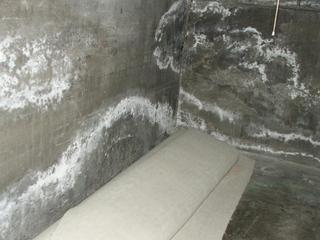
Efflorescence is a common issue that many homeowners across Southwestern North Carolina encounter, particularly in basements and on concrete surfaces. While it is often mistaken for mold, efflorescence is a distinct phenomenon that requires different solutions.
Understanding the causes of efflorescence and how to prevent it is essential for maintaining a safe, dry, and healthy living environment. This article explores concrete efflorescence and provides some basement waterproofing measures that can help protect your concrete.
What is Efflorescence?
Efflorescence is the white, powdery substance that forms on the surface of brick, cement, masonry, or other porous materials. It occurs when water dissolves salts within these materials and then evaporates, leaving the salt deposits behind. While efflorescence on concrete may seem like a minor cosmetic issue, it often indicates a more significant moisture problem that could lead to bigger problems if left unaddressed.
The persistent underlying moisture associated with concrete efflorescence can lead to mold growth, potential health concerns, and eventual spalling (surface damage). Addressing concrete efflorescence and the root causes of moisture intrusion helps maintain your home’s safety and value.
What Causes Efflorescence on Concrete?
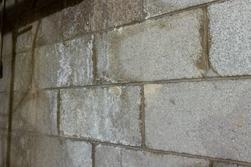
Basements are particularly susceptible to efflorescence due to their proximity to the ground and exposure to moisture. Porous materials like concrete often collect water, especially during rainy periods common in North Carolina’s humid climate. When conditions dry out, the water evaporates, and efflorescence forms as a byproduct.
Efflorescence in basement settings can also result from poorly graded yards, clogged gutters, or inadequate drainage systems that allow water to pool near the foundation. This persistent moisture buildup not only causes efflorescence on concrete walls and floors but can also compromise the structural integrity of your home.
How to Tell Efflorescence vs. Mold
Understanding the difference between mold and efflorescence is essential. Since mold testing can be expensive, try these simple steps first to differentiate between the two.
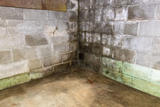
- Add Water: Efflorescence dissolves in water; mold doesn’t.
- Identify Color: Efflorescence is typically white but may also appear yellow or light brown. It is not black, pink, purple, or green.
- Perform a Pinch Test: Efflorescence turns powdery when pinched, whereas mold does not.
How to Remove Efflorescence
Here are a few steps to remove efflorescence on concrete:
- Use pressurized water to remove efflorescence.
- Wipe the surface with diluted household vinegar.
- Use a dry brush to assist in the removal process.
- Thoroughly dry the area after cleaning.
These simple steps may remove efflorescence, but persistent moisture can cause it to return. Monitor the area and contact a professional if the problem persists.
5 Ways to Prevent Efflorescence
Removing efflorescence isn’t tricky, but preventing it can be complicated. Here are a few methods that help prevent efflorescence:
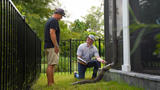
1. Perform an Exterior Inspection
Check gutters and downspouts for clogs or damage. Ensure they are free of clogs and capable of handling North Carolina’s rainfall. Extend downspouts at least 10 feet away from the foundation to direct water away.
2. Optimize Yard Slope
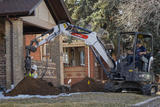
A properly sloped yard and landscaping can direct water away from the foundation, reducing moisture accumulation around basement walls and preventing efflorescence. This helps avoid the moisture problems that lead to these white deposits.

3. Install a Sump Pump and Interior Drain
A sump pump paired with an interior drainage system can effectively manage water accumulation, preventing efflorescence in basement environments. This is especially beneficial in areas prone to heavy rainfall, such as Rock Hill and Gastonia.
4. Consider a Vapor Barrier
A high-quality vapor barrier on basement walls helps prevent moisture buildup, limiting the conditions that lead to efflorescence in basement areas.

5. Invest in Wall Insulation Panels
Insulated panels like our ExTremeBloc™ are an excellent preventative measure. These panels, made from durable, washable, and energy-efficient materials, create a thermal break between potentially cold, wet basement walls and your living space. This insulation regulates temperature and moisture and enhances energy efficiency.
Protect Your Foundation with Expert Waterproofing Solutions

Efflorescence is a concern for every homeowner, but Dry Pro Foundation and Crawlspace Specialists offer expert waterproofing options to keep your basement dry and efflorescence-free. We provide free, no-obligation inspections and tailored solutions, ensuring your peace of mind.
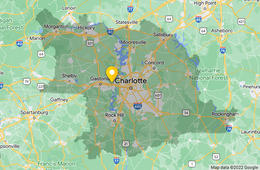
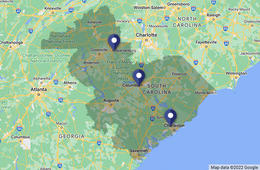
We proudly serve North Carolina residents, including Charlotte and Hickory. Contact us today to learn more.



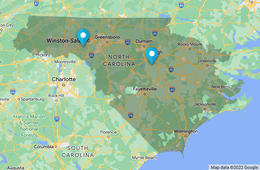
Service Areas
Northern North Carolina ·
Raleigh/Durham/Chapel Hill · Wilmington ·
Winston-Salem/Greensboro
Efflorescence FAQs
No, efflorescence does not vanish on its own. You must scrub it off your walls using a commercial or homemade efflorescence cleaning solution. And if the problem is not addressed at its source, it will continue to appear on the walls of your basement. Therefore, if you have efflorescence on surfaces in your basement, you must address the leak that is causing it. Therefore, your best bet at preventing the formation of these salt deposits is to contact a professional basement waterproofing service like Dry Pro.
Efflorescence is the dried-up salt deposits that are left behind in your basement from evaporated leakage. It is safe to have efflorescence in your basement. However, it is a red flag that you have a leak in your basement. If you notice a powdery substance on your concrete, then it is unlikely that it is mold, and more likely that it is efflorescence. Still, you should have a professional assess your basement for leaks and other types of water damage. Because, chances are if you’re seeing efflorescence, your basement is most likely suffering from a water problem.
Efflorescence is not an issue in and of itself. While efflorescence can be an eyesore on your basement walls, it poses no health risk to you or your family. It doesn’t have an odor, and it isn’t a living thing like mold. Efflorescence, on the other hand, is a huge warning sign of a serious problem in your basement: water intrusion and leaks. A drainage system and sump pump can greatly help with managing basement water. A drainage system that collects water so it doesn’t build up in basement walls where it will leak and leave efflorescence is important.
Related Resources



Shaye Glisson
Publish Date:
Last Modified Date:
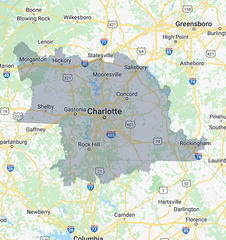
Our Locations
130 Performance Dr
Belmont, NC 28012
1312 Matthews-Mint Hill Rd.
Matthews, NC 28105