
Skip to Main Content
Stabilizer Adjustment

FAQs

Stabilizer Adjustment

Dry/Brown Rot Damage

Also known as “brown rot”, this fungus will reduce the wood it feeds on into small, rectangular pieces, leaving a “red dust” of spores behind as it spreads. While not quite as widespread as other forms of mold damage, dry rot results in severe structural damage to wood. According to a study originally published in the […]
Stabilizer Adjustment

Cosmetic, Surface-Level Mold

If you see mold that is white and “fuzzy” growing on your wood, there’s a good chance that it’s surface-level mold only. This type of fungi quickly grows all over wood surfaces in a humid environment, alarming homeowners but not usually amounting to significant damage. These fungi are only able to consume the sugars and […]

Stabilizer Adjustment

“Wet” Rot On Floor Joists & Girders

Also called “soft rot“, this fungus is known to break wet wood down into cellulose, which will significantly weaken and decompose the material. When choosing between replacing and reinforcing joists that have been damaged, look carefully at the color of the wood. Advanced damage will show up as darkening and shrinking of the wood. It […]

Stabilizer Adjustment

Wall Anchors

Wall anchors have been used successfully since the late 1970’s to stabilize foundation and retaining walls. These systems consist of heavy-duty galvanized steel earth anchors that are embedded into the soil away from the foundation wall. They are connected to steel plates with galvanized anchoring rods. Once installed, wall anchors will hold walls in their […]

Stabilizer Adjustment

Helical Wall Anchors

Helical anchors have been used to stabilize foundations and retaining walls for years — and they’ve proven to be quite effective. They are designed like a screw and can be mechanically advanced through the soil with heavy equipment. To install a helical anchor in the wall one of two things must be done: Either the […]

Stabilizer Adjustment

IntelliBrace™ Wall Braces

Most IntelliBrace™ installations begin by standing a beam up against a basement wall. The beam is then connected to the wood floor joists at the top and the concrete floor at the bottom. If you have rocky soil or there are property line issues, IntelliBrace™ systems are a good option for stabilizing bowing, tilting, or […]

Stabilizer Adjustment

Carbon Fiber Strips

Carbon fiber is a very high tensile strength material that’s almost impossible to stretch. Because it doesn’t stretch, it can be ‘glued’ to concrete walls to keep them from bending or bowing inwards. Carbon fiber straps have become a fairly common method for reinforcing basement walls. If installed properly, they can effectively hold the center […]

Stabilizer Adjustment

Removal and Replacement Of The Foundation

Total Foundation Replacement involves excavating the dirt around the home to expose the damaged foundation. Anything around the foundation, including gardens, foliage, patios, etc. must also be removed. That foundation is them removed and replaced. This is an invasive, expensive, time-consuming process that should only be done as a last resort. If the wall is […]

Stabilizer Adjustment

Columns Settling Due To Weak Soil

Often, the soils that the crawl space supports are installed on are not strong or solid enough to support the weight being transferred from the home. Weak supporting soils will allow your existing crawl space columns to sink or settle, often creating a gap between the top of the column and the bottom of the […]

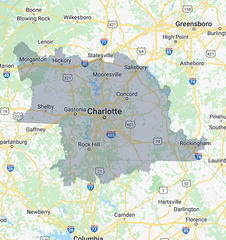
DryPro Service Map

Our Locations

Charlotte, NC

130 Performance Dr
Belmont, NC 28012

Matthews, NC

1312 Matthews-Mint Hill Rd.
Matthews, NC 28105