
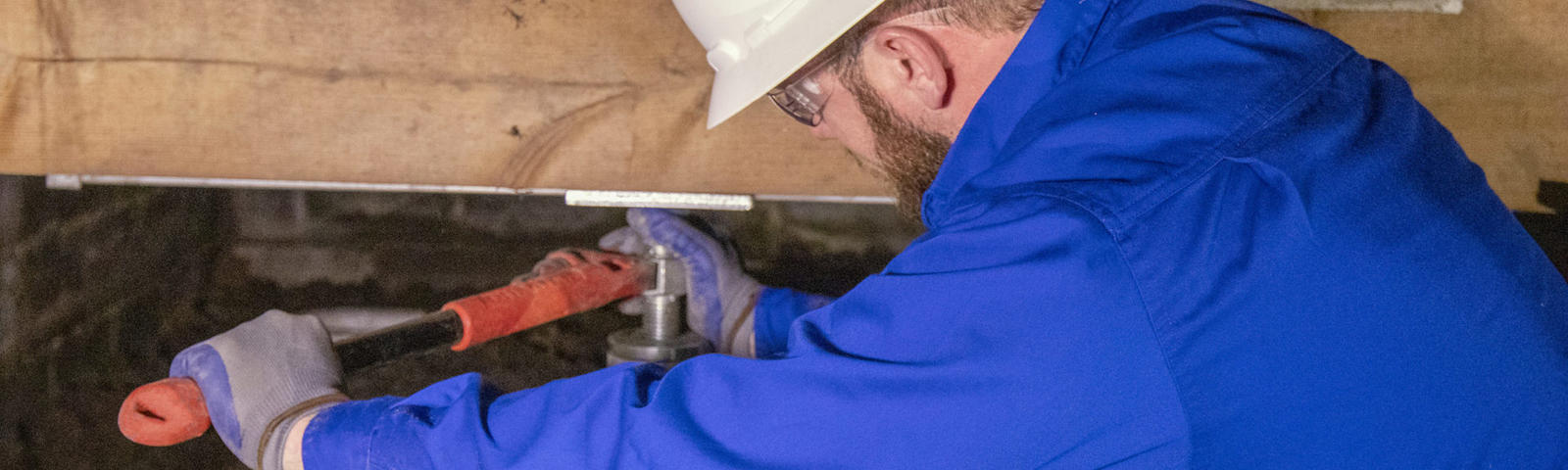
What Are the Signs of a Humid Basement?
Get Your Free EstimateHumidity affects a basement in different ways, so there are multiple problem signs you can look for to determine if your basement has moisture issues. There are a lot of different variables that determine which problem signs will appear in your basement and how severe they are.
Sometimes, your basement will be humid, but the signs will be very subtle. This is why it’s important to contact a foundation expert for repairs. They’ll know exactly what to look for and where to find it, so a professional inspection is always recommended. Still, you’ll want to try and see the signs yourself, so make sure to make your rounds through the basement beforehand.
Condensation and Efflorescence
There are some obvious signs of moisture that you can spot in a humid basement. For example, you can sometimes find dew drops along certain surfaces. The warmer, humid air of the basement will meet with a colder surface, and the temperature difference will create the dew point, which is the exact temperature that is needed in order for the moisture to turn into water droplets. The droplets can usually be found on concrete walls or on pipes. During the winter, the droplets might be found on warmer surfaces, like the dryer or the water heater.
Another sign that points to there being too much moisture in your basement would be efflorescence. Efflorescence is a white stain that appears on concrete. It looks as if white paint was sprayed on the surface. Efflorescence occurs when the moisture in a structure solutes the salts in the concrete, rises to the surface, and takes the salts with it. The salts form on the surface of the concrete and that’s what stains it white. Efflorescence on concrete indicates that the concrete is exposed to a lot of moisture, be it due to leaks or because of seeping water vapor.
Structural Signs
The easiest structural sign that you can detect if you have a humid basement would be wood rot. Wood rot has varying different stages depending on the kind it is. Some forms of rot release airborne spores, which are usually microscopic unless there is a collection of them on the surface of the wood. Some fungi will leave crack patterns along the surface that almost look like termite damage. Other times, the wood will look soft, warped, or shriveled.
Stains are also common in wood that has been affected by fungal growth. The stains can be colored green, gray, brown, black, white, and yellow. If you do see a decaying wooden joist or support post in your basement, then do not try to touch it, especially if there is a layer of spores along the surface. Contact a foundation specialist as soon as you can for a professional cleaning and structural repairs.
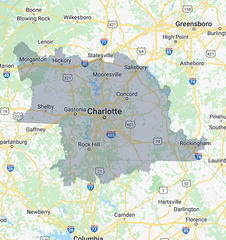
Our Locations
130 Performance Dr
Belmont, NC 28012
1312 Matthews-Mint Hill Rd.
Matthews, NC 28105