
Why Sump Pump Float Switches Fail
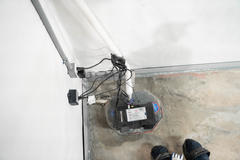
A sump pump is a critical basement waterproofing element, reducing flood risk and water damage. These pumps are installed in the lowest point of a basement, usually in the sump pit, and work by removing excess water from the area. Sump pumps rely on the float switch for proper functioning and optimal long-term performance.
This page provides an overview of why sump pump float switches fail and how to repair them.
What is a Sump Pump Float Switch?
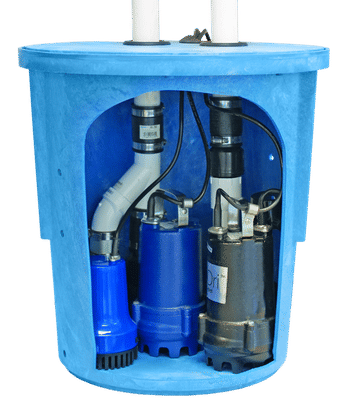
Float switches operate with a small, floatable attachment that rises and falls with the sump pit water levels. As the water rises, the float switch raises, activating the pump. The switch drops when the water level lowers, turning the pump off.
Problems arise when the float switch fails to rise or gets “stuck” in the on position. This action causes improper sump pump functioning, which eventually leads to motor failure and basement flooding.
Float switches are vital to the proper functioning of sump pump systems.
What Causes Sump Pump Float Switch Failure?
Several factors cause float switch failure. Here are the most common causes and how to address them:
Mechanical Wear or Corrosion
Repeated sump pump activation and deactivation cause wear and tear over time, potentially causing float switch failure. Inspect the float switch for worn components and corrosion; replace the switch if necessary.
Clogged Debris
Clogged debris obstructs the float switch, preventing movement and leading to improper activation. To prevent blockages, clean the sump pump and pit regularly to ensure the float pit can function freely.
Improper Installation
Improper installation can lead to operational errors. To prevent problems, ensure correct initial sump pump installation, tether lengths, and float switch positioning, such as angle and height requirements.
Electrical Problems
Corrosion, power surges, and faulty wiring can cause float switch failure. Inspect the wiring and surrounding areas to ensure proper connections. Use caution when handling the sump pump near moisture or water, and always unplug it before handling, as it can be hazardous and increase the risk of electrocution.
These are common causes of float switch failure, but not the only ones. If you’ve inspected the sump pump and switch and cannot identify the issue, contact a basement waterproofing expert for a free inspection.
How to Replace a Sump Pump Float Switch
Before replacing the float switch, ensure the issue is with the switch, not the sump pump. The following test bypasses the switch to check the pump’s functionality, helping you isolate the component that needs replacement:
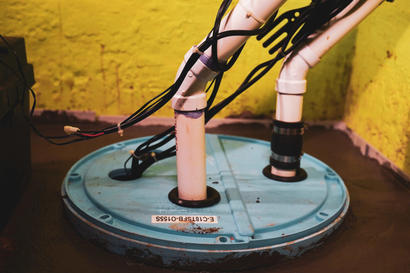
- 1. Unplug the sump pump from the float switch.
- 2. Plug the sump pump directly into an electrical outlet.
- 3. If the pump activates, the float switch is likely faulty and should be replaced.
Proper preparation, pump and switch removal, and installation are crucial to ensuring long-term functionality. Many DIY repair methods provide temporary solutions, causing more problems later than they’re worth.
Before attempting DIY sump pump repair, contact a basement waterproofing expert for a free inspection. Professionals ensure the job is completed safely and effectively.
Sump Pump Float Switch Types
Homeowners are often surprised to learn that the type of float switch used can impact the reliability of the sump system. Common sump pump float switch types include:
Horizontal Sump Pump Float Switch
Horizontal float switches use a chain or floating attachment. As water levels rise, the float moves upward, triggering the sump pump. However, these systems can snag on the side of the sump pump liner or other system parts, causing potential failure.
Diaphragm Sump Pump Switch
Diaphragm float switches are immersed underwater. Instead of a moving switch, these systems use a pressure-gauged diaphragm system that detects the water pressure and flips on when ready. These systems are among the most reliable and expensive options.
Vertical Sump Pump Float Switch
Vertical sump pump float switches operate on guided vertical rods, limiting the free-floating switch and reducing system malfunctions. The vertical design enhances reliability and is a low-cost option recommended for many sump pumps.
Contact a basement waterproofing expert in North Carolina for a free inspection to determine the best sump pump solutions for your home.
Is a Float Switch Necessary?
Sump pumps require a reliable float switch, making it a critical component of the waterproofing system. Regular inspections and maintenance ensure optimal system performance and flood prevention.
Contact Dry Pro for Professional Sump Pump Solutions

The float switch is the most crucial and often overlooked component of a sump pump system. Since a sump pump is your home’s primary defense against basement flooding and water damage, it’s essential to maintain this vital waterproofing element.
Contact Dry Pro Foundation and Crawlspace Specialists in North Carolina for a free inspection to identify and diagnose sump pump issues. We tailor basement waterproofing solutions to your needs and budget, saving you time and money. Click the button below to get started!
Sump Pump System FAQs
To check if your sump pump is working properly, you can perform a simple test by pouring a bucket of water into the sump pit. The pump should turn on automatically, pump out the water, and then turn off. If it doesn’t, you may need to check for clogs, power issues, or consider professional servicing.
While it’s possible for a DIY-savvy homeowner to install a sump pump, professional installation is recommended. This ensures that the sump pump is correctly sized for your home’s needs and properly installed to work effectively, which can be critical during heavy rainfalls or floods.
The water pumped out by the sump pump is typically directed away from your home’s foundation to a place where it can drain without causing problems, such as a municipal storm drain or a dry well. It’s important to ensure the discharge point is legal and doesn’t cause water issues for neighbors.

Shaye Glisson
Related Resources
Publish Date:
Last Modified Date:

Our Locations
130 Performance Dr
Belmont, NC 28012
1312 Matthews-Mint Hill Rd.
Matthews, NC 28105