
What Kinds of Fungi Cause Floor Sagging?
There are diverse kinds of fungi that can affect your wood in different ways. It’s important that you learn to identify the distinct types so that you know what to look for the moment you’re able to detect floor sag. Wooden joists can be saved if the fungus is cleared in time. Clearing out wood rot is not something you should do on your own because of how dangerous mold is and because of how difficult it is to clear. There could be residual fungal growth, and you wouldn’t notice until you’re dealing with a sagging floor once more a few months down the line.
Still, it’s important to know what wood rot looks like. This way, you’ll know when it’s time to contact a foundation expert. There are over hundreds of different fungal infections that can overtake your wood, and we don’t expect you to know them all. Two of the most important ones are dry rot and soft rot, and knowing how these two types of wood rot affect your wood will lead you one step closer to a healthy foundation.
- Dry Rot
Dry rot is any kind of wood rot that does not soften up the wood. Even though it doesn’t soften it up, it doesn’t mean that the wood doesn’t get broken down. It slowly breaks it apart until it becomes brittle and can crumble easily. The most common type of fungus that infects wood is known as brown rot. Brown rot was originally called dry rot because it was believed that it didn’t need moisture to survive.
However, it was soon discovered that brown rot can pull moisture in from afar, which is how it can survive when the humidity levels of a space are low. Brown rot specifically can be identified because it leaves a pattern on the wood that looks like small squares. It’s often confused for termite damage, but an effective way to know if it’s brown rot for sure is to check for the red spores it leaves along the surface of the wood.
- Soft Rot
You can tell a lot about soft rot from the name alone. This kind of fungus softens the wood and makes it feel like a sponge. It often discolors the wood and turns it green or white, though white is the most common. These kinds of fungi tend to shrink the wood as well, so compare the size of the infected joist with one that looks healthier. If the infected one is smaller, then it’s been affected by soft rot.
Wood that has been infected with dry rot sometimes can still be saved. However, the ones that go soft are often unsalvageable. Once the wood becomes soft, it is too deformed to work properly. Even if it’s cured from rot, the wood is too shrunken down and is unable to support the same amount of weight it once did. When dealing with soft rot in wood, you might have to replace it depending on the extent of the damage.
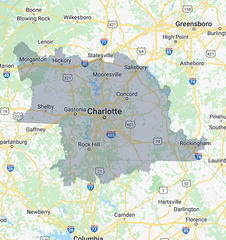
Our Locations
130 Performance Dr
Belmont, NC 28012
1312 Matthews-Mint Hill Rd.
Matthews, NC 28105