
Crawl Space Vapor Barriers: The Ultimate Guide
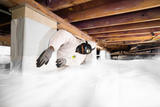
Crawl space encapsulation protects your home from moisture and structural damage. Vapor barriers are an essential part of the encapsulation process, as they prevent moisture seepage that causes mold growth and other concerns.
This page explains the importance of the crawl space vapor barrier installation, encapsulation, and repair process that keeps your home safe and dry.
What Is a Crawl Space Vapor Barrier?
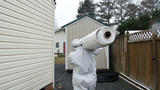
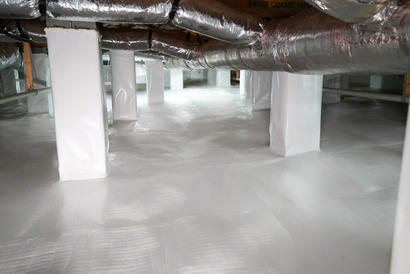
A crawl space vapor barrier is a durable, waterproof liner that seals off crawl space areas from outside elements. It covers the ground floor, walls, and support beams and prevents moisture intrusion.
With other encapsulation measures, such as drainage systems, sump pumps, dehumidifiers, drainage matting, and insulation, vapor barriers are an effective crawl space moisture barrier.
Are Basements and Crawl Spaces the Same?
Basements and crawl spaces are different, but both require moisture management solutions. The term “basement crawl space encapsulation” is misleading due to these differences. Basements, with their concrete floors and walls, often serve as living or storage areas, while crawl spaces are uninhabitable, restricted areas beneath a home, prone to moisture, pests, and other issues. Both spaces benefit from vapor barriers to manage moisture, but the installation process differs.
For basements, vapor barriers are typically applied to walls or floors to prevent moisture from seeping through the concrete. In crawl spaces, vapor barriers are installed over the ground and sometimes along walls to seal off crawl space areas completely. Tailored, professional solutions ensure that the specific needs of each space are addressed with the best solution.
The Benefits of Crawl Space Vapor Barrier Installation
Our CrawlSeal™ crawl space vapor barrier installation offers many benefits, including:
- Enhanced Indoor Air Quality
- Reduced Mold Growth and Wood Rot Risk
- Rodent and Pest Deterrence
- Structural Protection
- Reduced Energy Bills
- Flood Prevention
Vapor barriers seal off crawl space areas, creating a dry, healthy home environment.
Vapor Barrier Care
Many homeowners view crawl space waterproofing as a one-and-done project, but maintaining your crawl space vapor barrier is crucial. Here’s what you need to know:
Do Crawl Space Vapor Barriers Require Maintenance?
Crawl space vapor barrier maintenance is essential for overall home health. Maintenance includes regular inspections for damage, such as tears or punctures. Other encapsulation solutions, like sump pumps and interior drainage systems, should also be maintained to ensure proper functioning. Professionals like Dry Pro Foundation and Crawlspace Specialists offer annual maintenance programs to ensure long-term results when waterproofing a crawl space.
How Often Should a Vapor Barrier Be Replaced?
Many professionals recommend replacing a crawl space moisture barrier every 10 to 20 years. However, our durable 20-mil crawl space vapor barrier doesn’t require frequent replacement. With the proper components, waterproofing a crawl space proves a wise, long-term investment.
Understanding Your Options: Vapor Barrier Thickness
The International Residential Code (IRC) requires Class 1 vapor retarders for exposed earth in unvented crawl spaces. Industry standards often use 6-mil and 12-mil vapor barrier thicknesses for robust functionality. We recommend our robust 20-mil crawl space vapor barrier material for enhanced durability and longevity.
Here is a breakdown of standard vapor barrier thicknesses (*Note: Vapor barriers are measured in “mils.” One mil equals one one-thousandth of an inch.):
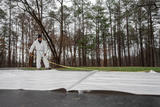
- 6-mil—Meets minimum code requirements when waterproofing a crawl space but is less durable. Suitable for standard low-risk crawlspace.
- 10-mil—Offers a balance between affordability and vapor protection. However, it may not be ideal for crawlspaces with frequent water exposure or a high risk of tears.
- 12-mil—The most common thickness found in big box stores. It’s more durable than 6-mil but can still be damaged.
- 15-mil—Ideal for crawlspaces with heavier storage needs or those requiring enhanced durability.
- 20-mil—The most robust option available for residential crawl spaces. It provides superior puncture resistance and durability. Proper installation remains crucial for all thicknesses to prevent tears or rips.
The ideal vapor barrier thickness depends on the application and crawl space conditions. The 20-mil thickness commonly used in homes isn’t the limit. Thicker vapor barrier options exist to address the specific requirements of commercial buildings. Contact a professional to determine which crawl space vapor barrier is right for your home.
What is the Best Vapor Barrier Material?
Vapor barrier material significantly impacts durability, particularly puncture resistance. High-density polyethylene (HDPE) is a denser and stiffer type of polyethylene. Compared to the more flexible low-density polyethylene (LDPE), HDPE offers enhanced puncture resistance and strength at similar thicknesses.
Our 20-mil crawl space vapor barrier is made of high-density polyethylene, which offers superior durability and effectively seals off crawl space areas.
How to Install a Vapor Barrier
Waterproofing a crawl space protects against moisture intrusion, pests, and other harmful elements. However, crawl space vapor barriers are just one part of a comprehensive waterproofing system. Here’s our crawl space vapor barrier and encapsulation process:
- Crawl Space Prep: Remove debris from the crawl space to ensure a smooth, clean surface for the crawl space moisture barrier.
- Measure and Cut: We measure the crawl space and tailor the liner to size.
- Wall Attachment: We install and secure the liner to the wall for an optimal seal.
- Pier and Post Wrap: We wrap the piers and support posts and seal gaps or overlaps around these supports to ensure continued moisture prevention.
- Line the Floor: We lay the liner over the crawl space floor and seal seam overlaps with professional crawl space vapor barrier adhesion.
- Perimeter Sealing: We secure the liner edges to create a tightly sealed crawl space moisture barrier.
How Much Does Vapor Barrier Installation Cost?
Vapor barrier installation costs vary depending on the area’s size, the extent of damage, the crawl space moisture barrier material, and your home’s specific needs.
Why Choose Professional Vapor Barrier Installation?
Dry Pro’s professional crawl space vapor barrier installation is a wise investment because we offer the following:
- Proprietary encapsulation solutions that offer long-term protection
- Safe installation by certified professionals
- Product and service warranties
- Annual maintenance plans
Contact DryPro Foundation and Crawl Space Specialists

Are you interested in learning more about crawl space vapor barrier installation? We offer customized encapsulation and repair solutions that ensure long-term protection.
Contact Dry Pro Foundation and Crawlspace Specialists today for a free inspection and no-obligation estimate. We have proudly served Charlotte, Hickory, and the surrounding Southwestern North Carolina homeowners for over 20 years.
Vapor Barrier FAQs
Vapor barrier prices can vary, but it generally costs 75 cents to $1.25 per square foot to install a 6-mil or 10-mil vapor barrier.
Dry Pro uses a thicker, more reliable material, and from experience, we know that a vapor barrier is part of a comprehensive crawl space encapsulation system. We do not just offer a vapor barrier on its own because it will not be enough to fix the problem with crawl space moisture.
For an accurate project cost, contact us today to schedule a free inspection.
There is no reason not to use a vapor barrier in your crawl space.
Some people think they’re in the clear if they have a concrete crawl space floor rather than a dirt one. However, moisture can still penetrate porous concrete and intrude through open vents.
A vapor barrier coupled with vent covers and other encapsulation solutions will keep your crawl space dry, healthy, and functional.
It’s easy to confuse the installation of a vapor barrier with crawl space encapsulation.
Fully encapsulating a crawl space involves several solutions including drains, sump pumps, dehumidifiers, insulation, and vent covers along with a vapor barrier. While the vapor barrier is the heart of the encapsulation system, it is only one part of it.
Each encapsulation solution is crucial and provides its own benefits, but they are stronger when working together to keep the crawl space dry, safe, and healthy.
Related Resources

Shaye Glisson
Not in the Charlotte metro area? Find the same great service throughout the Carolinas:






Service Areas
Northern North Carolina ·
Raleigh/Durham/Chapel Hill · Wilmington ·
Winston-Salem/Greensboro
Publish Date:
Last Modified Date:

Our Locations
130 Performance Dr
Belmont, NC 28012
1312 Matthews-Mint Hill Rd.
Matthews, NC 28105