
What Is The Dew Point?: It’s Impact on Your Crawl Space

The “dew point” is point at which air’s relative humidity reaches 100% when condensation (moisture) can form on (usually cool) surfaces. You can think of a can of soda that’s been out of the fridge for a minute or two forming condensation around it.
The dew point can change based on temperature: air at lower temperature can’t hold as much water as air at a higher temperature. The exact moisture content of the air can be the same, but the relative humidity will change based on temperature.
So, for example, let’s say that it’s 85 degrees Fahrenheit outside with a relative humidity of 60% (not at the dew point). But let’s also say that your house, like many in North Carolina, has a crawl space foundation. If the temperature in your crawl space is 70 degrees Fahrenheit, then the air from outside will increase in relative humidity and reach 100% (that is, at dew point). The basic amount of moisture content is the same, it’s just that the air can’t hold as much of it, and so it increases to the dew point.
Why the Dew Point Matters for Your Crawl Space
If your crawl space vents are open, the warmer air from outside enters the much-cooler crawl space. As it cools, the air can carry less of the moisture content that the outside air brings in. What do get when that happens? Moisture and condensation.
Now, what loves moisture and a cool, dark place to live? Mold.
What does mold eat for food? Organic materials like wood.
What are the supports, joists, and subfloor of your home made of? That’s right. Wood.
What happens when it eats the wood in your crawl space? You get wood rot.
Brass tacks, if you leave your crawl space exposed, the relative temperature and humidity form condensation, feed mold, and damage your foundation. Your floors will start to sag, you’ll get musty smells coming up from your crawl space, and you’ll need to call a crawl space repair pro to repair it all.
And It Gets Worse…
If you don’t take preventative steps to encapsulate your crawl space, all that mold growth will find it’s way up into the rest of your home.
Why? Well, you can read in detail about the “Stack Effect” on our page “What is the Stack Effect: A Problem for Household Mold.”
But the short of it is that the air in your crawl space will seep up through your floors, warm up, and rise to the upper levels of your house. This process forms negative pressure in your crawl space, drawing in even more warm, moisture-rich air from outside, and making the problem all that much harder to repair.
Getting Your Crawl Space Tested Isn’t Enough
Mortgage, pest control, and home inspection industries flag crawl space wood moisture contents above 20% as a potential problem. At this wood moisture content percentage, mold can grow. Sometimes, our experts see problem-free crawl spaces with wood moisture contents of 16% or less, but not very often. Truly dry crawl spaces in homes are very rare in the Carolinas.
Many homeowners have their crawl spaces tested for moisture year-round; however, this can be misleading. What time of year are you testing? Most crawl spaces will test low for moisture in dry weather periods. But, visual inspections for signs of moisture such as mold, fallen insulation, wet foundation walls, and sweating ducts are indicators of high moisture levels, whether it is winter or summer time.
What to Do About the Dew Point: Prevent Mold by Encapsulating Your Crawl Space!
If your crawl space isn’t encapsulated, don’t wait for mold, wood rot, and other issues to show up. Not only will you have to repair the damage, but it will come back again if you don’t take preventative steps to cut out moisture from your crawl space.
The best thing you can do is to get comprehensive crawl space encapsulation. To learn more about how we do encapsulation and why it’s necessary, take a read our at our North Carolina Guide to Crawl Space Encapsulation now.
If you need encapsulation today, click the button below to schedule a free inspection. You’ll get a no-obligation, same-day estimate that can save you thousands on repairs you could have prevented had you acted now. You can trust Dry Pro, the leading crawl space experts in the greater Charlotte area, with decades of experience putting a stop to crawl space mold and water damage.
Dew Point FAQs
Signs you may need a dehumidifier include visible mold growth, musty odors, condensation on insulation or pipes, and increased allergy symptoms due to poor indoor air quality.
While encapsulation is a highly effective method for controlling humidity, it is often most effective when combined with other solutions like dehumidification. Encapsulation seals off the crawl space from external moisture, but additional measures may be needed to manage the humidity levels effectively and ensure a dry, healthy environment beneath your home.
While DIY methods are tempting, they often fail to fully eliminate mold or address its causes. We advise against entering potentially hazardous crawl spaces alone. Rely on Dry Pro for professional mold treatment and moisture management in your crawl space. Contact us for a free inspection.

Michael Wilcher

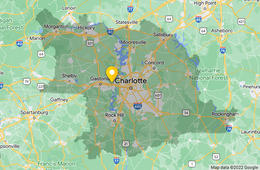

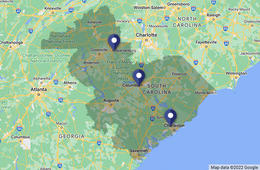

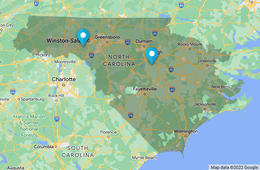
Service Areas
Northern North Carolina ·
Raleigh/Durham/Chapel Hill · Wilmington ·
Winston-Salem/Greensboro
Publish Date:
Last Modified Date:
Our Locations
130 Performance Dr
Belmont, NC 28012
1312 Matthews-Mint Hill Rd.
Matthews, NC 28105