

Are Crawl Space Encapsulation and Vapor Barrier the Same?
You may think that a vapor barrier and encapsulation are the same thing. While they often go together, the truth is that they are two distinct things.
Vapor Barrier
A vapor barrier is just one piece of equipment used when you’re encapsulating your crawl space. It’s a particularly crucial factor, to be sure, but it’s not the only step an expert will implement when they waterproof your home.
The possibility of groundwater evaporating in the crawl space is reduced by a vapor barrier. A layer of plastic is placed across the crawl space surface and overlapped at the joints. Moisture can penetrate the vapor barrier and enter the crawl space if vapor barriers are not sealed. That’s why it’s a smart idea to have a professional install them, so there are no accidental gaps.
Encapsulation
Encapsulation is the umbrella term used for when waterproofing measures are used to seal your crawl space away from moisture, pests, and other factors. This process involves, as the name suggests, fully encapsulating your crawl space. It reduces the amount of dampness in the area, lowering your risk of mold. Moreover, the expense of heating and cooling a home with a dirt crawl space is higher. This is because wet air requires more energy to cool or heat, and more energy implies higher energy costs.
Encapsulation helps clean the air in your crawl space while improving the efficiency of your home’s heating and cooling systems, lowering energy bills, and providing other advantages. Since it offers a barrier that prevents gas from gathering in the crawl space, an encapsulated crawl space protects against hazardous radon gas. Encapsulation itself often includes a vapor barrier, sump pump, dehumidifier, and other gear to cap it off.
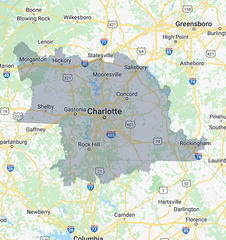
Our Locations
130 Performance Dr
Belmont, NC 28012
1312 Matthews-Mint Hill Rd.
Matthews, NC 28105