

Is a Vent Cover the Same Thing as Encapsulation?
Crawl spaces are typically built with vents, but they allow water to flow into the foundation. Vent covers can help with this problem, but they shouldn’t be considered the only solution.
What a Vent Cover Does
Crawl spaces are built with vents because it was once believed that they help with air flow in the crawl space. Now, construction workers understand that crawl space vents are a detriment, as they allow water to flow into the crawl space, flood the foundation, and increase its humidity levels. The solution to this is to cover up the crawl space vent with a vent cover.
Many homeowners believe that this is enough to “encapsulate” a crawl space, but this isn’t the case. Encapsulation doesn’t just mean closing off any openings in the crawl space: it means making it so that no moisture is ever able to seep through. This isn’t limited to just water, as water vapor is something that you need to be mindful of.
What It Doesn’t Do
A crawl space vent cover is not capable of stopping water vapor from permeating through the walls. Concrete is porous, so any moisture from the outside will still manage to get through. The same thing happens if you have a dirt crawl space. The moisture from the soil rises into the crawl space, effectively raising the humidity levels.
Only a vapor barrier can stop both water and water vapor from entering the crawl space. A vent cover only covers up one area of the space, but it can’t cover up everything, especially given how good water is at leaking through foundations. However, that doesn’t mean that you shouldn’t install a vent cover (one is needed if the vapor barrier is to be set up too), it just means that both are required if you want to keep your crawl space fully dry.
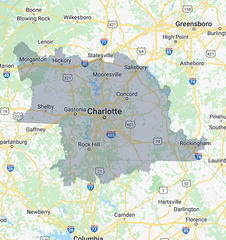
Our Locations
130 Performance Dr
Belmont, NC 28012
1312 Matthews-Mint Hill Rd.
Matthews, NC 28105